




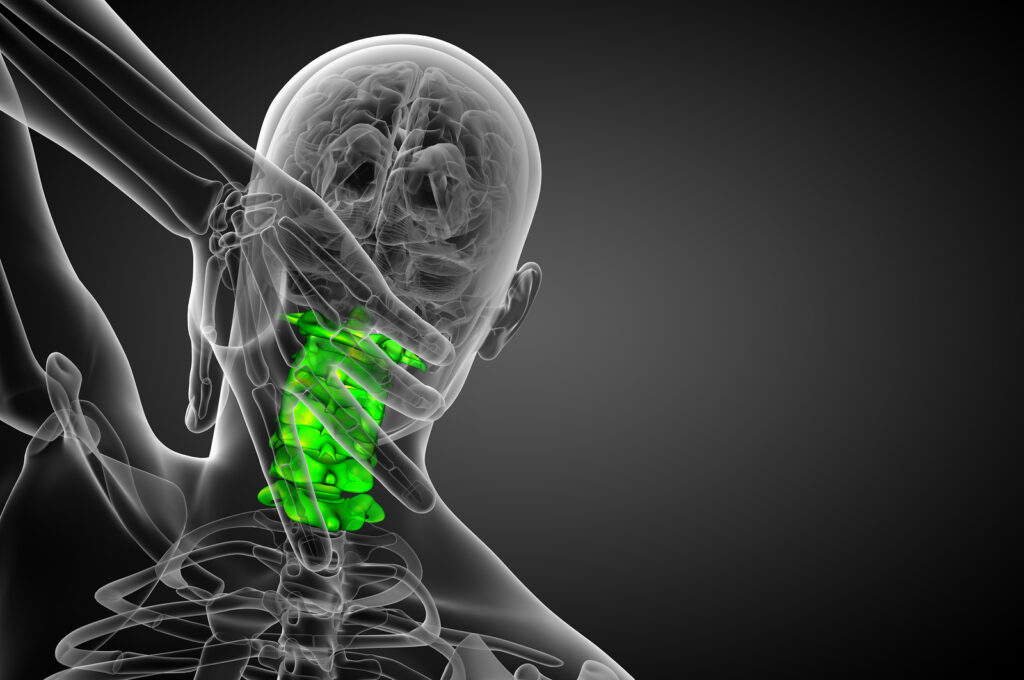
Upper cervical chiropractic care focuses on the top two bones in the neck: the atlas (C1) and axis (C2). These vertebrae sit directly beneath the skull and surround the brainstem, which plays a major role in how the nervous system communicates with the rest of the body.
Because of this close relationship, even small changes in joint function or movement at this level can influence:
- Neck and head pain
- Muscle tension
- Posture and balance
Overall nervous system function
What Does the Research Say?
Research into upper cervical chiropractic care is still growing, but several studies suggest meaningful benefits for some people.
One of the largest studies followed over 1,000 patients receiving upper cervical care across multiple clinics and countries. The results showed:
- Significant improvements in neck pain and headaches
- Many patients improved to minimal or sub-clinical symptom levels
- High patient satisfaction
- No serious adverse events reported
These findings suggest that upper cervical care can be both effective and well tolerated for many patients (Eriksen, Rochester & Hurwitz, 2011).
Potential Effects Beyond Pain
Emerging research suggests upper cervical adjustments may also influence certain physiological processes.
Sick of feeling tired and unwell?
A preliminary observational study looked at secretory immunoglobulin A (SIgA), an immune marker linked to mucosal immunity. Researchers found a short-term increase in SIgA levels following upper cervical adjustments, which later returned toward baseline. While this research is early and exploratory, it highlights a possible connection between the nervous system and immune response — suggesting upper cervical care may support immune function in the short term (O’Shea et al., 2022).
Upper Cervical Care and Headaches
Upper cervical and upper thoracic adjustments have also been studied in people with cervicogenic headaches (headaches that originate from the neck).
A randomised clinical trial found that spinal adjustments led to:
- Greater reductions in headache intensity
- Less headache-related disability
- Benefits lasting up to three months after treatment
These results were stronger compared to mobilisation and exercise alone, supporting the importance of targeted care to the upper cervical region for certain headache conditions (Xu & Ling, 2016).
The Takeaway
Upper cervical chiropractic care offers a gentle, focused, and non-pharmacological approach that may be especially helpful for people dealing with migraines, headaches, tinnitus, neck pain, and certain immune-related concerns.
By improving joint function in the upper cervical spine and supporting healthy nervous system communication, many patients report improvements not only in pain, but also in overall function and quality of life. While individual responses can vary and further research is still needed, current evidence and clinical experience suggest that upper cervical care may be a valuable option for those looking to address complex, neck-related and neurological symptoms.
References
Eriksen, K., Rochester, R. P., & Hurwitz, E. L. (2011). Symptomatic reactions, clinical outcomes and patient satisfaction associated with upper cervical chiropractic care: A prospective, multicenter, cohort study. BMC Musculoskeletal Disorders, 12, 219.
O’Shea, C., et al. (2022). Secretory immunoglobulin A and upper cervical chiropractic: A preliminary prospective, multicenter, observational study. Journal of Chiropractic Medicine.
Xu, X., & Ling, Y. (2016). Upper cervical and upper thoracic manipulation versus mobilization and exercise in patients with cervicogenic headache: A multicenter randomized clinical trial. Journal of Manipulative and Physiological Therapeutics.