




If you’ve ever brought your child in for chiropractic care and heard us talk about Insight scans, you might have wondered:
What are they actually measuring… and why do we recommend them for every kid?
Totally fair question. And no, they’re not just a fancy extra or something we do for fun tech points.
Insight scans are one of the most valuable tools we have to understand how your child’s nervous system is really functioning, not just how they look or act on the surface.
Let’s unpack it.
Your Child’s Nervous System: The Boss of Everything
Your child’s nervous system is the control centre for their entire body. It regulates:
- Sleep
- Digestion
- Emotional regulation
- Immune function
- Motor development and coordination
- Sensory processing and focus
When the nervous system is calm, adaptable, and well-regulated, kids tend to thrive.
When it’s stuck in stress mode? That’s when we often see things like poor sleep, constant fight‑or‑flight, emotional outbursts, delayed milestones, gut issues, or a child who just feels “off.”
The challenge is this: you can’t see nervous system stress from the outside alone.
That’s where Insight scans come in.
What Are Insight Scans?
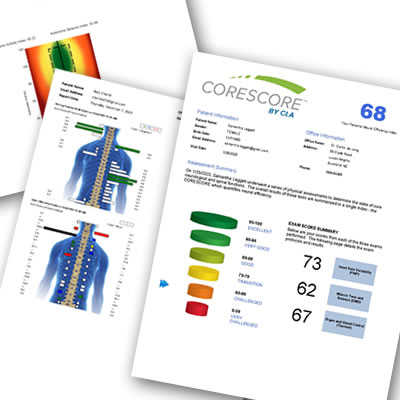
Insight scans are non‑invasive, gentle scans that give us objective data about how your child’s nervous system is functioning.
They look at three key areas:
1. Thermal Scans – Communication Balance
These measure subtle temperature differences along the spine, giving us insight into how evenly the nervous system is communicating from brain to body.
Big imbalances can suggest areas of stress or interference.
2. EMG (Muscle Tension) Scans – Effort vs Efficiency
These show us how hard the muscles along the spine are working.
High tension doesn’t always mean strength, often it means the nervous system is overworking, compensating, or stuck in protection mode.
3. HRV (Heart Rate Variability) – Adaptability & Resilience
This is a big one.
HRV tells us how adaptable your child’s nervous system is, their ability to switch between stress and calm.
Low adaptability can look like:
- Trouble settling
- Big emotional swings
- Poor recovery from illness
- Sensory overwhelm
Together, these scans give us a neurological snapshot of what’s happening beneath the surface.
Why We Don’t Guess When It Comes to Kids
Here’s the honest truth: kids are incredible compensators.
They can look “fine” while their nervous system is working overtime.
Insight scans help us:
- Identify stress patterns early
- See where compensation is happening
- Understand whether your child is in fight, flight, or freeze
- Track changes over time (not just rely on symptoms)
This means we’re not guessing.
We’re not using a one‑size‑fits‑all approach.
And we’re not waiting until things become bigger problems.
How Insight Scans Shape Your Child’s Care Plan
Every child’s care plan is built around their unique nervous system, not just their age or diagnosis.
Insight scans help us determine:
- How much stress the nervous system is under
- How frequently your child needs care
- Which areas need to be prioritised
- How gentle or specific adjustments need to be
- When their nervous system is ready to progress
Two kids can have the same symptoms and need completely different care plans.
The scans help us respect that.
Why Every Child Benefits From Being Scanned
You don’t need to wait until something is “wrong.”
Just like you wouldn’t wait for a cavity to cause pain before seeing a dentist, we don’t wait for nervous system stress to turn into chronic issues.
Insight scans are especially valuable for:
- Babies with unsettled behaviour, reflux, or poor sleep
- Toddlers with delayed milestones or coordination challenges
- Kids with emotional regulation or sensory struggles
- School‑aged children dealing with stress, anxiety, or focus issues
- Kids who’ve had birth stress, falls, or repeated illness
Even kids who seem to be doing well can benefit from having a baseline, so we know what normal looks like for them.
Tracking Progress You Can Actually See
One of the most powerful parts of Insight scans is that they allow us to:
- Track nervous system changes over time
- Show you objective progress, not just “they seem better”
- Adjust care plans as your child grows and develops
This keeps care intentional, responsive, and centred on long‑term wellbeing, not just short‑term fixes.
The Big Picture
At the end of the day, Insight scans help us do one thing really well:
Support your child’s nervous system so their body can do what it was designed to do — grow, adapt, and thrive.
They give us clarity, direction, and confidence in the care we provide.
And for parents? They offer reassurance that we’re looking at the whole picture, not just the symptoms.
If you’ve ever wondered whether your child’s nervous system is coping, compensating, or thriving, Insight scans help us find that answer.
And from there, we build care that truly fits your child.