




(Especially for Those Living with Endometriosis/PCOS and other hormonal issues)
Women’s hormonal health is deeply connected to the nervous system. Hormones don’t operate in isolation — they are influenced by stress, inflammation, immune activity, sleep quality, and how effectively the brain and body communicate with each other (Vannuccini et al., 2017; Vigano et al., 2018).
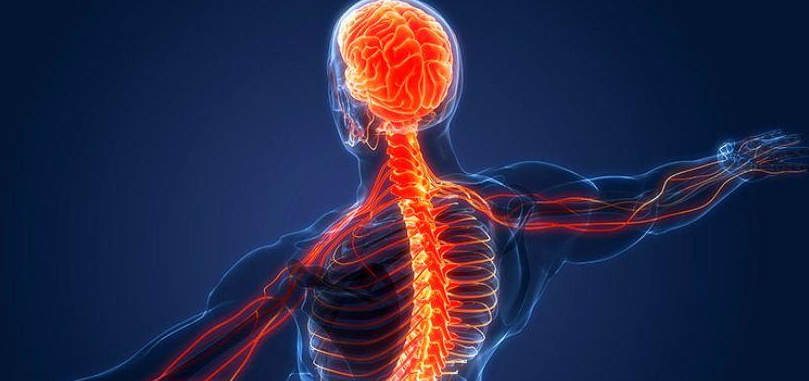
The upper cervical spine, located at the top of the neck, surrounds and protects the brainstem, a key control centre for the autonomic nervous system (ANS). The ANS plays a major role in regulating processes that are especially relevant for women’s health, including:
- Stress and pain responses
- Inflammation and immune signalling
- Hormonal communication via neuroendocrine pathways
- Digestion, sleep, and recovery
Alterations in autonomic nervous system function have been observed in women with endometriosis and other chronic pain conditions, contributing to heightened pain sensitivity, altered immune responses, and persistent inflammation (Chen et al., 2020).
Upper cervical chiropractic care focuses on improving joint function in this sensitive region. When joint function is restricted or irritated, it may contribute to ongoing neurological stress and altered sensory input to the brainstem. Over time, this may reinforce a heightened stress response, amplifying pain perception and influencing inflammatory and hormonal signalling pathways (Tracey, 2002; Tracey, 2009).
Nervous System Regulation and Inflammation
Chronic conditions like endometriosis are not just about tissue changes – they are also closely tied to inflammation and nervous system sensitisation. Research demonstrates complex interactions between immune cells, inflammatory mediators, peripheral nerves, and central nervous system processing in endometriosis (Vigano et al., 2018).
Many women with endometriosis experience:
- Heightened pain responses
- Pelvic, back, or hip tension
- Digestive issues
- Fatigue and poor sleep
- A nervous system that feels constantly “on edge”
Women with endometriosis frequently show evidence of central sensitisation, meaning the nervous system becomes more reactive to pain and stress signals over time. This heightened sensitivity can influence hormonal signalling, immune activity, and inflammatory responses throughout the body (As-Sanie et al., 2012; Stratton & Berkley, 2011).
When the nervous system is overloaded, the body becomes less efficient at regulating inflammation and immune responses. Supporting nervous system regulation does not remove endometriosis, but it may help reduce symptom intensity by improving the body’s response to pain, stress, and inflammatory signalling (Tracey, 2009).
How Upper Cervical Care May Offer Support
This is where upper cervical care may play a supportive role. By helping normalise neurological input around the brainstem and reducing unnecessary nervous system stress, some women report improvements in:
- Overall pain tolerance
- Flare-up intensity
- Sleep quality
- Energy levels
- Their ability to cope physically and emotionally with symptoms
While upper cervical care does not treat hormones or inflammation directly, improving nervous system regulation may positively influence neuroimmune and neuroendocrine interactions that are relevant in chronic inflammatory conditions (Vannuccini et al., 2017).
A Personal Note
And speaking from lived experience — I know how exhausting it is. The constant pain. The unpredictability. The frustration of trying everything just to feel somewhat functional. Living with endometriosis changes how you relate to your body and your nervous system.
You don’t need another promise of a “fix.” You need care that respects how complex this condition is.
Upper cervical chiropractic care isn’t about chasing symptoms or “balancing hormones.” It’s about supporting the nervous system so the body has a better foundation to regulate itself. For many women, that support can make a meaningful difference in how symptoms are experienced day to day.
The Bigger Picture
Upper cervical care should be viewed as part of a broader, integrative approach to women’s health – alongside medical care, lifestyle support, nutrition, and emotional wellbeing. While research in this area continues to evolve, improving nervous system regulation may be a gentle, non-pharmacological option worth exploring for women living with chronic inflammation, hormonal challenges, and conditions like endometriosis.
If you’re navigating this path yourself, you’re not imagining it, and you’re not alone.
References (Post-2000 Only)
As-Sanie, S., Harris, R. E., Napadow, V., et al. (2012). Changes in regional gray matter volume in women with chronic pelvic pain: A voxel-based morphometry study. Pain, 153(5), 1006–1014.
Chen, L., Hsu, C., & Huang, Y. (2020). Autonomic nervous system dysfunction in endometriosis-associated pain. Journal of Pain Research, 13, 1181–1192.
Stratton, P., & Berkley, K. J. (2011). Chronic pelvic pain and endometriosis: Translational evidence of the relationship and implications. Human Reproduction Update, 17(3), 327–346.
Tracey, K. J. (2002). The inflammatory reflex. Nature, 420, 853–859.
Tracey, K. J. (2009). Reflex control of immunity. Nature Reviews Immunology, 9, 418–428.
Vannuccini, S., Lazzeri, L., Orlandini, C., et al. (2017). Neuroendocrine pathways in endometriosis. Fertility and Sterility, 108(2), 206–215.
Vigano, P., Parazzini, F., Somigliana, E., & Vercellini, P. (2018). Endometriosis: Epidemiology and aetiological factors. Best Practice & Research Clinical Obstetrics & Gynaecology, 51, 1–15.