




Your heart doesn’t just run on its own. Every beat is constantly being regulated by a communication network between the brain, nervous system, and cardiovascular system. This network is often called the neuro-cardio system – when it becomes dysregulated, the body can shift into patterns of stress, fatigue, poor recovery, and reduced adaptability.
Chiropractic care focuses on improving nervous system function, which can influence how efficiently this neuro-cardio communication system operates.
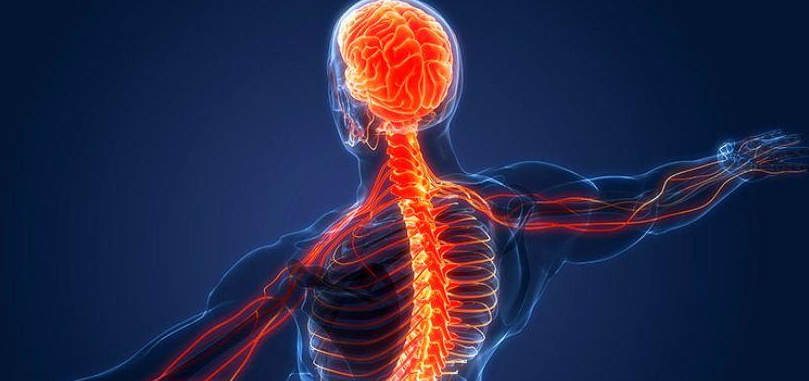
What Is the Neuro-Cardio System?
The neuro-cardio system describes the relationship between the heart and the nervous system, particularly the Autonomic Nervous System.
This system has two primary branches:
Sympathetic Nervous System
- Known as the “fight or flight” response
- Increases heart rate and blood pressure
- Prepares the body for action or stress
Parasympathetic Nervous System
- Known as the “rest and recover” system
- Slows heart rate
- Supports recovery, digestion, and repair
A key player in this balance is the Vagus Nerve, which sends signals from the brain to the heart and other organs to promote calm and recovery.
When these systems are balanced, the heart can adapt quickly to stress, exercise, and recovery. When the balance is disrupted, the body may remain in a prolonged stress-dominant state.
Signs the Neuro-Cardio System May Be Dysregulated
When communication between the brain and heart is not functioning optimally, people may notice symptoms such as:
- Elevated resting heart rate
- Poor recovery after training or stress
- Feeling “wired but tired”
- Fatigue despite adequate sleep
- Increased anxiety or stress sensitivity
- Difficulty calming the body down after activity
Often this isn’t just about the heart itself—it can be about how the nervous system is controlling it.
The Brainstem: Where Regulation Begins
Many of the nerves responsible for heart regulation originate in the brainstem, particularly around the upper cervical spine.
The top two vertebrae in the neck (C1 and C2) sit directly around this area and help protect and support the neurological pathways involved in cardiovascular regulation.
When movement or alignment in this region becomes restricted, it may influence how efficiently the nervous system communicates with the heart and blood vessels.
How Chiropractic Care May Support Neuro-Cardio Regulation
Chiropractic adjustments aim to improve movement and function within the spine, particularly in areas closely connected to neurological control.
When spinal function improves, it can help:
- Reduce stress on the nervous system
• Improve brain-body communication
• Support balance between sympathetic and parasympathetic activity
• Encourage better recovery and adaptability
Research often looks at these changes through measures like heart rate variability, which reflects how well the nervous system can regulate the heart.
Why This Matters for Recovery and Performance
For active individuals, nervous system regulation plays a huge role in performance and recovery.
A well-regulated neuro-cardio system allows the body to:
- Adapt quickly to training stress
- Recover more efficiently
- Maintain healthy heart rate variability
- Shift smoothly between effort and recovery
When the nervous system is functioning optimally, the body doesn’t have to stay stuck in a stress response—it can move fluidly between activation and recovery.
The Bigger Picture
Chiropractic care is not just about joints or muscles—it’s about improving the function of the nervous system that controls the entire body.
By supporting spinal and neurological health, chiropractic adjustments may help improve the communication between the brain and heart, encouraging better regulation of the neuro-cardio system and ultimately supporting resilience, recovery, and long-term health.